
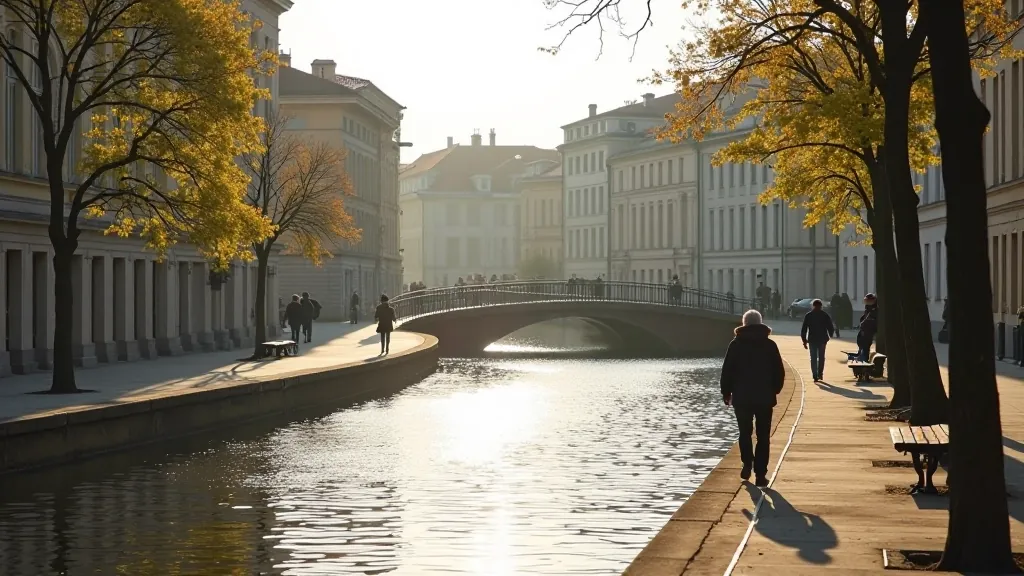
Why Riga's Canals Are Perfect for Walking
Riga's canal network isn't just pretty — it's genuinely walkable. The paths are well-maintained, relatively flat, and you're never far from cafes or rest spots. Most importantly, the routes are designed so you can walk at your own pace without worrying about traffic or steep hills.
The canal system connects several neighborhoods, so you've got options. You can do a quick 20-minute stroll or spend an entire afternoon exploring. That flexibility is what makes these routes so popular with locals and visitors alike.
Understanding the Canal Routes
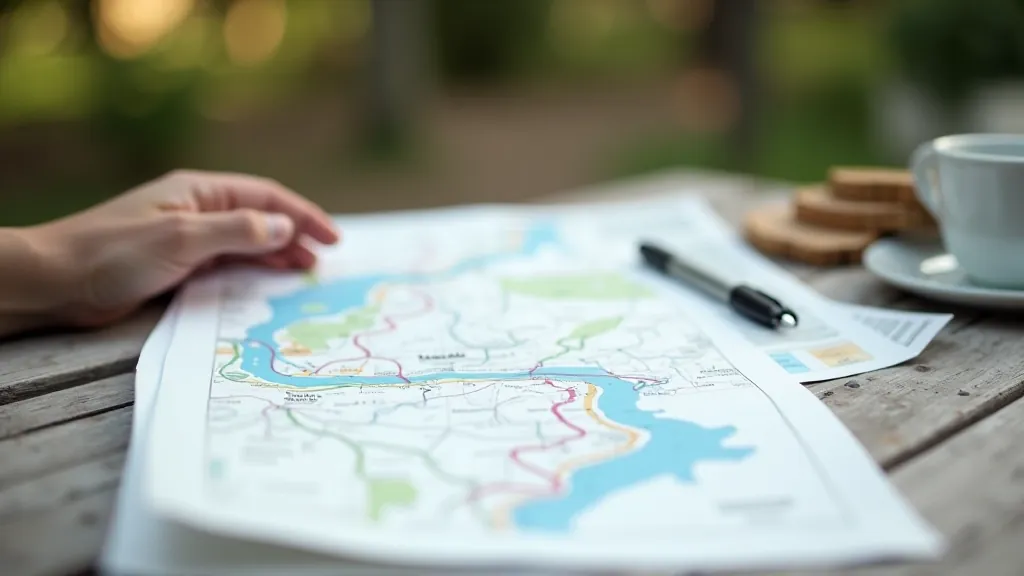
Riga's canal system stretches across three main waterways: the Daugava River section, the Central Canal, and the outer canal ring. You don't need to walk all of them at once — that's the beauty of it. You can pick a segment that fits your time and energy level.
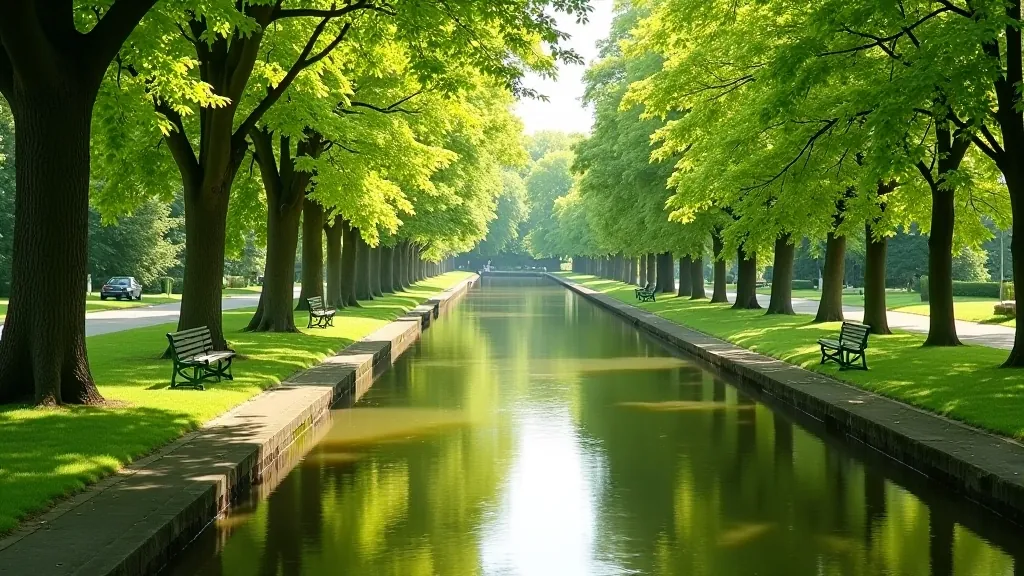
The Central Canal is the most accessible for beginners. It's about 2.5 kilometers around, takes roughly 45 minutes at a leisurely pace, and has plenty of benches if you want to rest. The paths are paved, well-lit, and there's always something to look at — old architecture, swans, local artists.
Key Route Features
- Paved paths suitable for all mobility levels
- Rest benches every 150-200 meters
- Well-marked navigation and directional signs
- Public restrooms near main entrances
About This Guide
This information is educational and based on current conditions as of May 2026. Walking routes, accessibility features, and services can change. We recommend checking local tourism websites or contacting Riga's tourism office before your visit for the most up-to-date details. If you have specific mobility concerns, consulting with a healthcare professional before undertaking any walking activity is always wise.
Accessibility Features You'll Find
The canal paths have been designed with accessibility in mind. Wheelchair access is available at most entry points, though some sections do have slight inclines. The paths themselves are smooth and wide enough for walkers, canes, and mobility aids.
What we really appreciate is the abundance of seating. There's genuinely a bench every few minutes — not an exaggeration. This means you can take breaks whenever you need to without having to retreat to a cafe. During summer months, many of these benches have shade from trees, which makes a real difference when the sun's strong.
Parking's reasonable too. The main entry points have dedicated parking areas, and several nearby streets have longer-term parking options if you're planning to spend a few hours. Public transport is also nearby, so you're not entirely dependent on having a car.

Best Times to Visit
Timing matters more than you'd think. Spring and early autumn are ideal — temperatures are mild, crowds are manageable, and the light stays good well into the evening. Late May through early September is peak season, which means more people but also more activities happening along the routes.
If you prefer quieter walks, visit on weekday mornings or early afternoons. Weekends draw tourists and locals alike, especially around the main canal loop. Winter's possible too if you don't mind the cold — the paths stay clear — but you'll want proper footwear for icy patches.
Check the weather forecast before heading out. Even though the paths are protected by trees in many sections, rain can make them slippery. Aim for walks between 10 AM and 4 PM if possible — better lighting, warmer temperatures, and more people around if you need assistance.
Practical Tips for a Comfortable Walk
Wear Comfortable Shoes
The paths are paved, but you're still walking on hard surfaces. Shoes with good cushioning and proper support make a genuine difference. Break them in beforehand — you don't want surprises mid-walk.
Bring Water
There's no shortage of cafes near the canal, but carrying a water bottle means you're not dependent on finding a shop. Staying hydrated is especially important in warmer months. A small backpack works well.
Start Early
Walking in the morning gives you the whole day ahead if you want to extend your route. You're also less likely to feel rushed, and morning light along the water is genuinely beautiful.
Plan Your Rest Spots
There are plenty of benches, but knowing where cafes are located means you can plan proper breaks. Some offer shaded seating right on the canal — perfect for a rest with a view.
Check the Weather
Latvian weather changes quickly. Even if it looks fine when you leave, conditions can shift. Bring a light jacket or windbreaker regardless of the forecast.
Use Your Phone
Download a map of the area before you start. Signal is generally reliable, but it's reassuring to have offline access. Google Maps and local Riga apps both work well.
Making the Most of Your Canal Stroll
Riga's canals aren't just a tourist attraction — they're genuinely pleasant places to spend time. The paths are maintained, the scenery's consistently good, and you've got flexibility in how long you walk. Whether you're looking for a quick 30-minute break from exploring the city or planning a full afternoon outing, the canal system delivers.
The real value here is knowing what to expect. You're not navigating mysterious routes or dealing with hidden accessibility problems. The paths are straightforward, facilities are available, and locals use them regularly — which means they're genuinely designed for actual people, not just tourists.
Start with the Central Canal loop if you're new to the area. It gives you a feel for the route system, the pacing, and the amenities. Once you're comfortable, you can explore the longer sections or combine segments for a longer walk. The flexibility is yours.