
Why Jūrmala Stands Out for Senior Walkers
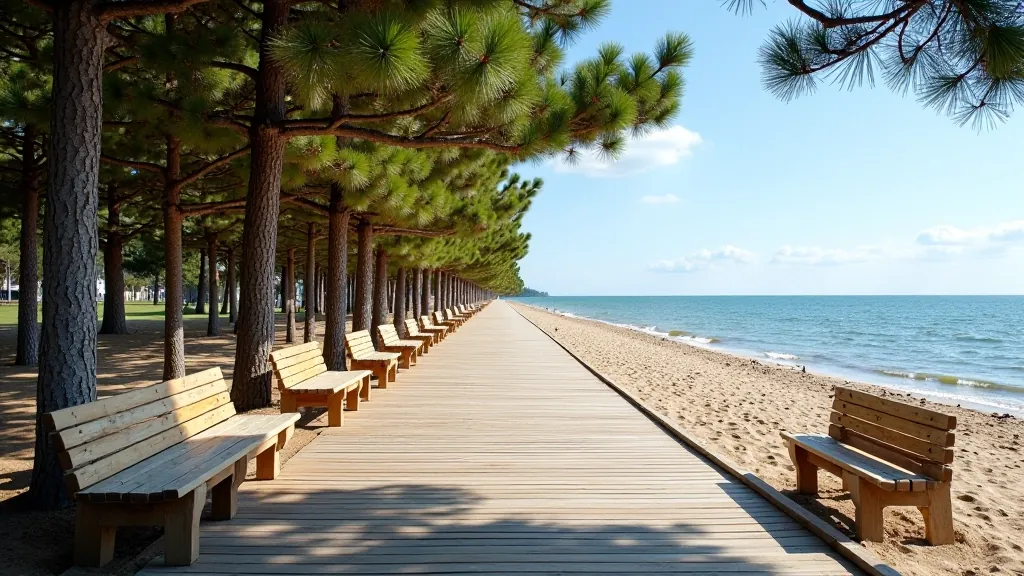
Jūrmala isn't just another coastal town. It's become the go-to destination for seniors who want to walk without the stress. The promenades stretch for over 23 kilometers along the Baltic coastline, but here's the thing — you don't need to tackle all of it at once. Most visitors focus on the central sections near Majori and Dubulti, which are where the real magic happens.
The paths are genuinely flat. There's no steep inclines or tricky terrain. You're walking on well-maintained asphalt and wooden boardwalks, with benches placed every 100-150 meters. We're talking about every 3-4 minutes of walking if you maintain a comfortable pace. This means you can rest whenever you need to without feeling rushed.
Plus, the atmosphere is different here. It's not crowded like city centers. People move at their own pace, and there's a genuine sense of calm along the water.
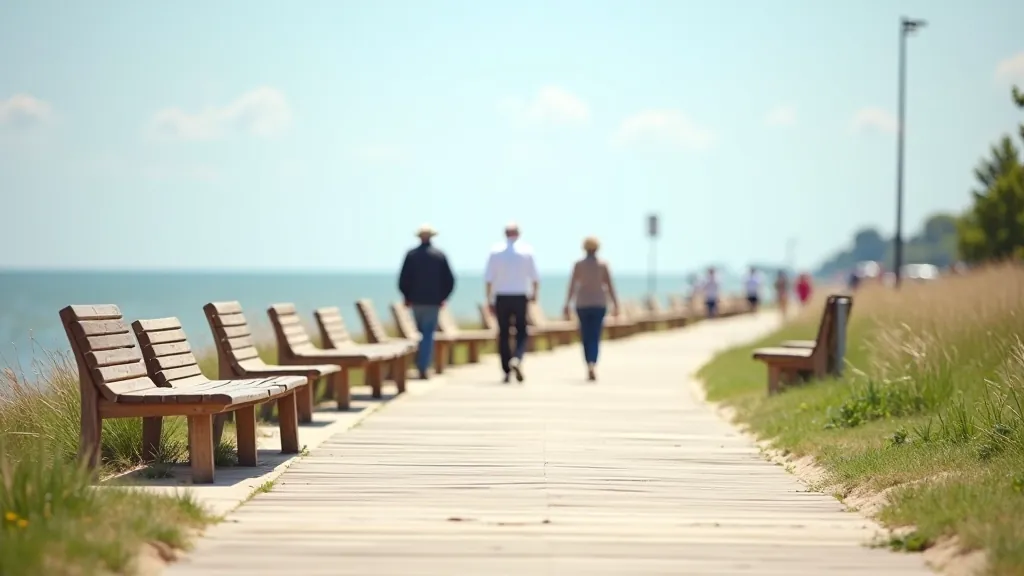
Quick Fact: The main promenade in Majori is only 2 kilometers long. That's roughly 25-30 minutes of leisurely walking at a typical senior pace, with plenty of stopping points for rest and refreshments.
Accessibility Features That Actually Matter
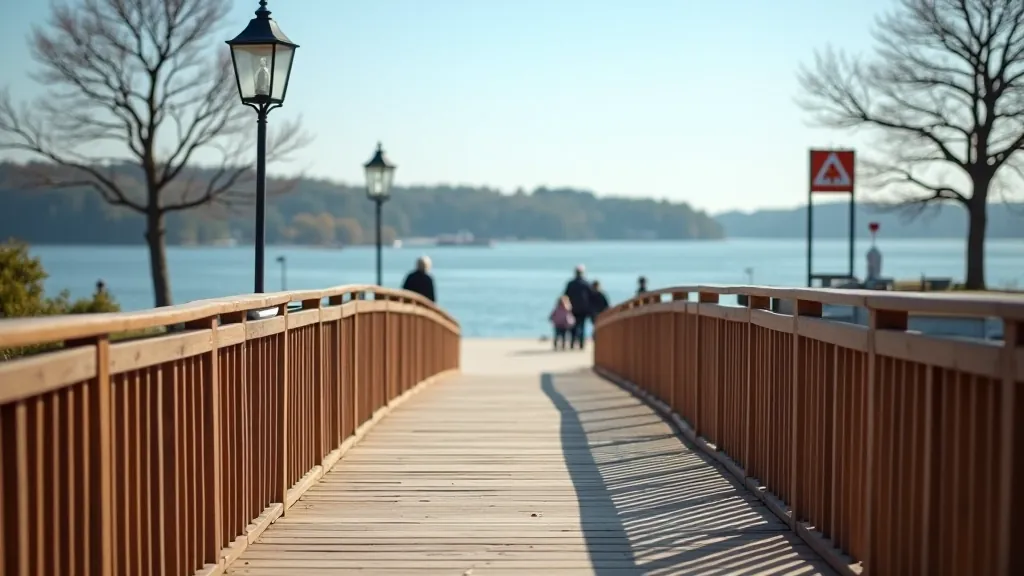
Let's talk about what makes Jūrmala genuinely accessible. The boardwalks are wide — around 3-4 meters across — so even if you're using a walker or cane, you won't feel squeezed. The surface is smooth. No roots, no cracks, no surprises.
Parking is straightforward. There are dedicated accessible parking spaces near the main promenade entrance in Majori, just a 50-meter walk from the actual path. The path itself has gentle slopes — nothing steeper than 1:20, which is easy to manage. If you need to use a wheelchair or mobility scooter, this is doable.
Public restrooms are available at multiple points. The main facility near the beach pavilion is modern and well-maintained. It's not hidden away either — you'll see signs clearly marked in multiple languages.
Important Note: This article is for informational purposes only. Accessibility features and conditions can change seasonally. Always check local updates before planning your visit, especially during winter months when ice or maintenance work might affect pathway conditions. If you have specific mobility concerns, contact Jūrmala's visitor center for current conditions.
Seasonal Considerations and Best Times to Visit
Timing matters when you're planning a seaside walk. Summer (June through August) is when Jūrmala gets crowded. It's warm, the cafes are all open, but expect to share the path with families and tourists. The advantage? Everything's operational and the atmosphere is lively.
Spring and autumn are actually the sweet spot. April through May and September through October offer mild temperatures — usually between 12-18 degrees Celsius. The paths are less crowded. You get a more peaceful experience with the same accessibility features. Bring a light jacket, and you're golden.
Winter walks happen, but you'll need to check conditions first. The town doesn't always clear the wooden sections immediately after snow. That said, if conditions are good, winter brings stunning solitude and crisp air.
Cafes, Facilities, and What to Expect
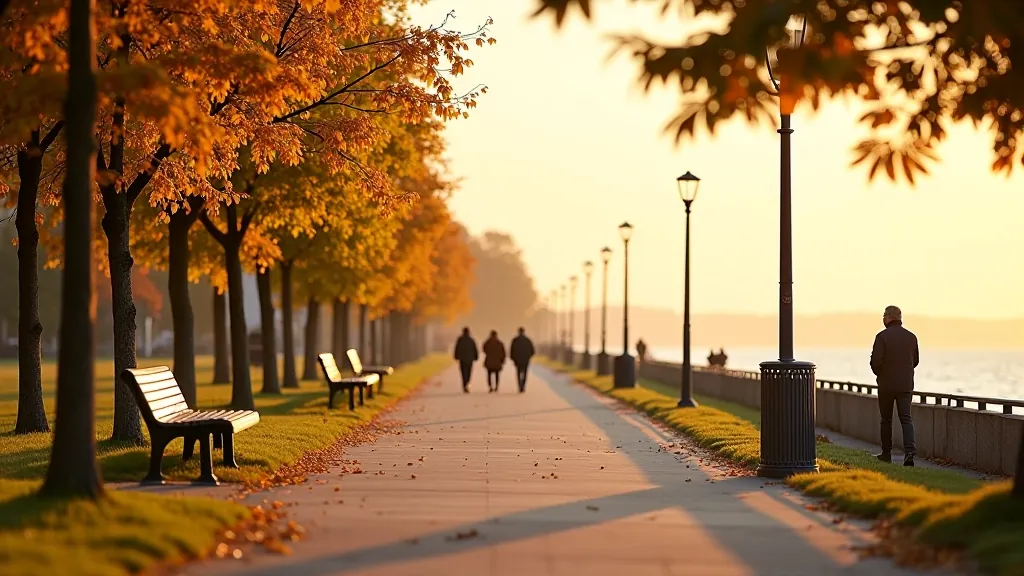
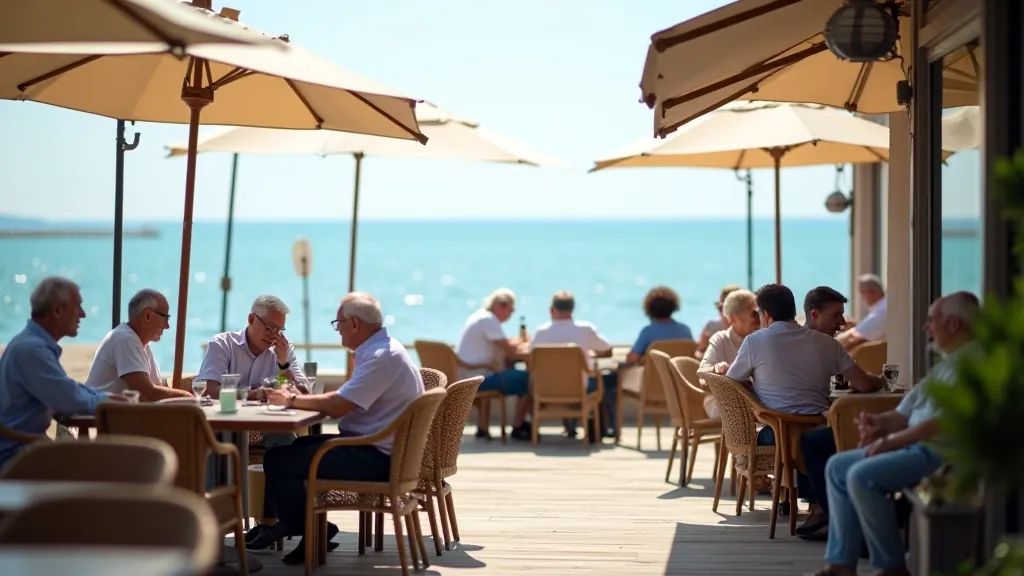
You won't go hungry or thirsty in Jūrmala. There are cafes every few hundred meters. Most serve coffee, light snacks, and traditional Latvian pastries. The prices are reasonable — a coffee runs about 2-3 euros, which is fair for a coastal destination. Many places have outdoor seating with views of the sea, and staff are generally helpful with accessibility needs.
The central pavilion (Jūrmalas Pāvilons) near Majori beach is a solid option if you want something more substantial. They serve lunch-type food — sandwiches, soups, fish dishes. It's popular but not always packed, especially outside summer months.
Water fountains are available along the promenade, though they're seasonal. Bring a water bottle to be safe, especially during warmer months. The breeze off the Baltic can be deceptive — you might not realize how much sun you're getting until it's too late.
Making the Most of Your Visit
Jūrmala works because it doesn't demand anything from you. You can walk 500 meters or 5 kilometers. You can sit for an hour watching the sea, then head back. That flexibility is exactly what makes it special for seniors who want to be active without pressure.
The promenades are well-designed, genuinely accessible, and genuinely pleasant. You're not dealing with crowds, dangerous terrain, or complicated navigation. It's straightforward. It's comfortable. And honestly, that's enough to make it worth the trip from Riga — it's only 25 kilometers away and takes about 30 minutes by train or car.
If you're planning a walking route for seniors in Latvia and haven't considered Jūrmala, it should be on your list. The combination of accessibility, atmosphere, and practical amenities makes it one of the best options available.